Reform’s Pub Crawl to Power
It’s not easy to satisfy the working class and the super-rich. But in an era of political hopelessness, do they both just want to have fun?
-Published in The Economist’s 1843 Magazine
-Blackpool and London / May 2026
-Original photography by Christopher Nunn (with additional images from Getty, Eyevine, and Camera Press)
The dinner began with a priest saying grace. It ended with Nigel Farage leading the room in a raucous singalong to “YMCA”, the gay anthem that has become a staple of Donald Trump’s rallies. Jeroboams of white burgundy and double magnums of claret flowed liberally. “It was all very optimistic,” recalled Lady Victoria Hervey, a socialite who was at the dinner. “A real feel-good atmosphere.”
Oswald’s, one of Mayfair’s most exclusive private-members’ clubs, is no stranger to extravagance. But at this fundraiser for Reform UK, the populist anti-immigration party that is leading the polls in Britain, even the backroom staff were startled by the excess. Below the club’s chandeliers a five-piece band serenaded each guest in turn. So did a bagpiper and an opera singer. Celebrities, politicians and financiers tucked into sea bass, roast beef and chocolate mousse amid the relentless popping of Dom Perignon corks. Tickets for the event, which took place in January 2025, cost up to £25,000 per person.
As the guests partied at Oswald’s another event was kicking off in a red-brick two-storey building in Blackpool, a run-down seaside town in the north-west of England. At the Talbot, two pints of Strongbow cider cost £6 and a plate of homemade beef stew much less. Quiz nights always draw a decent crowd, and this one was no exception. “I’ve been coming here 30 years,” said Margaret Murphy, a retired bartender with a tiny frame and snow-white hair. “You’ve got the bingo and the snooker, and everyone’s welcome; it’s like an extension of the family living room.”
Oswald’s and the Talbot cater to very different customers. And yet for the past year they have been bound together by the teal livery of Reform, with which the Talbot is now formally affiliated.
Farage’s party, an offshoot of his successful campaign for Britain to leave the European Union, was seen as fringe and rather comic when it launched in 2018. It is now more popular than the centre-right Conservative Party, which has run Britain for most of the past century, and the centre-left Labour Party, currently in power under the leadership of Sir Keir Starmer. When local elections are held in May, Reform could capture almost half the seats in the country. If voters make Farage the prime minister at the next general election, Britain is in for an unprecedented experiment in untested leaders, undisciplined members and ad-hoc policymaking.
Reform’s internal contradictions could trip it up before it gets there. Perhaps the most glaring is the gap between the party’s donors, who congregate in places like Oswald’s clamouring for tax cuts and deregulation, and its substantial bloc of working-class voters, who can be found in places like the Talbot complaining about the lack of investment in public services.
Coalitions of the financial elite and the working class are nothing new in politics—the Conservative Party has often been called an alliance of “the City and the mob”. But few British politicians other than Farage have openly courted the most extreme ends of the class spectrum at the same time.
The Reform leader knows it will be hard to square his promises to both constituencies. But he also knows that it is emotions rather than manifestos that drive voters to the ballot box. Despite the gulf between Reform supporters in Blackpool and Mayfair they share a common mood, which Farage is trying to amplify: anger at the British state and the liberal elite seen to run it, and also a determination to have a bloody good time. Of all the forces driving British politics, one of the least examined and most consequential could be the desire for—as Farage calls it— “a serious booze-up”.
***
The Talbot began life in the 1920s as a social club for the Conservative Party. Such clubs were established in Britain during the late 19th and early 20th century as successive expansions of the electoral franchise created a large body of working-class voters. Politicians from the main parties hoped to woo this new constituency by providing places where they could gather and drink at affordable prices.
At that time, Blackpool—that “great, roaring, spangled beast”, as the writer J.B. Priestley described it—was drawing millions of holiday-makers every summer from the mill towns of northern England. Its railway station was the busiest on Earth.
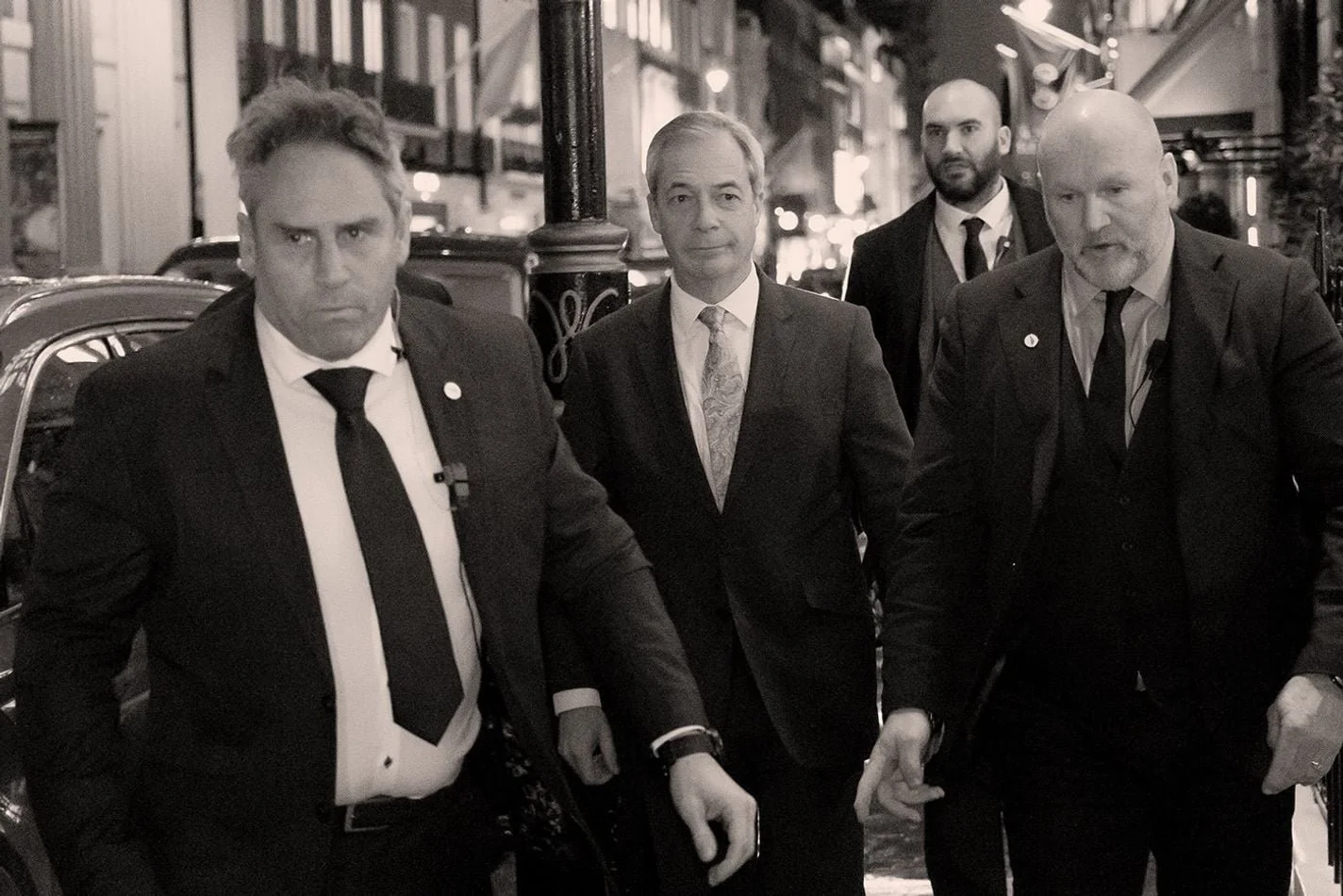
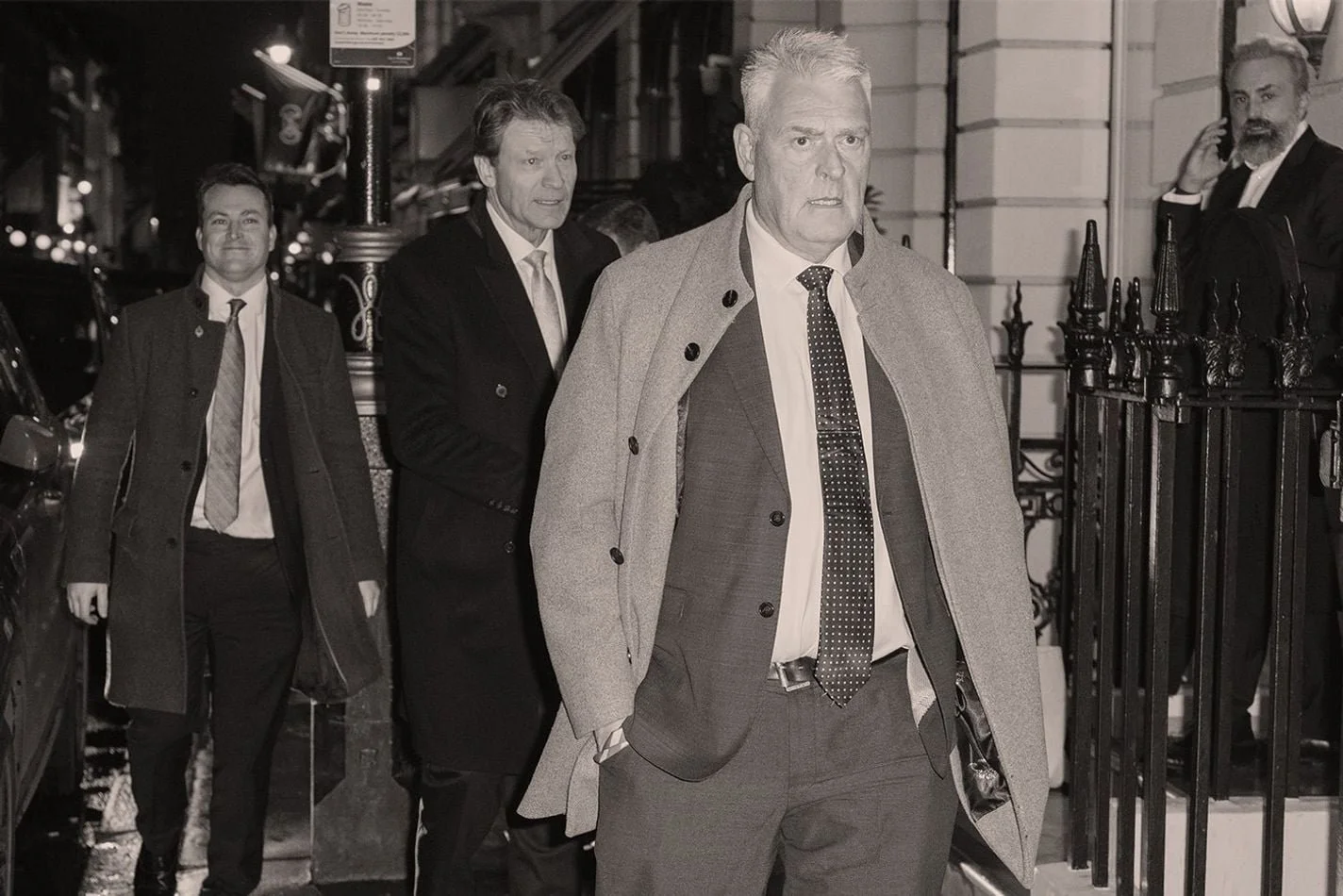
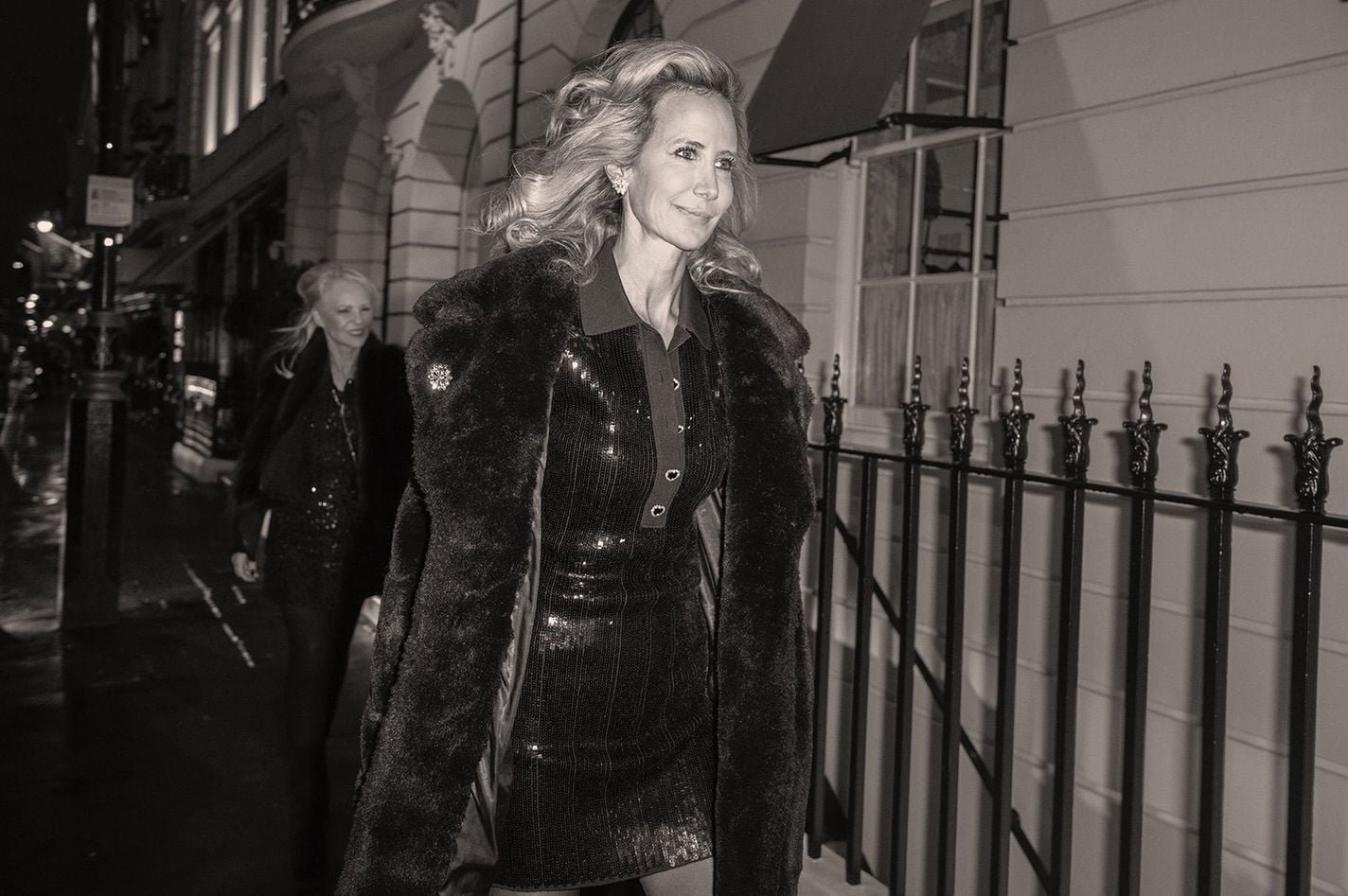
Champagne populists (top to bottom) Nigel Farage arrives at Oswald’s for a Reform fundraiser in January 2025. Guests included Richard Tice MP and Lady Victoria Hervey
It’s hard to imagine now. For the past few decades Blackpool has been in a state of barely managed decline. The closure of factories and coal mines across the north slowly strangled its tourism industry. As guesthouses closed down, landlords moved in, converting them into cheap, poor-quality flats and bedsits that sucked in the precarious and the vulnerable from across Britain. Some people were sent by far-flung councils looking to save money on their statutory housing obligations; others came on their own initiative, often drawn by the hazy memory of childhood visits during happier days.
Today Blackpool is the poorest urban area in Britain. The proportion of the working-age population claiming unemployment benefits far exceeds the national average; male life expectancy is lower than anywhere else. You can read the town’s unravelling in the streets surrounding the Talbot, where boarded-up shops are a common sight, and hoardings that once advertised bars and nightclubs now flake and flutter in the wind.
With deterioration has come frustration, and a gradual shifting of the political sands. The town has historically been staunchly Labour. According to opinion polls, however, if a general election were to be called tomorrow, Reform would win both of its parliamentary seats by a huge margin. “People here are no longer frightened to say they are going to vote Reform,” said Mark Butcher, a businessman and homelessness campaigner who is also chair of the local branch of the party. “In fact, they’re excited by it. They can feel that a change is coming.”
I first met Butcher outside the Talbot, where he was standing against the wall smoking a cigarette. Butcher, who is in his mid-50s with a rangy physique and angular features, told me he remembered being brought to the club as a young boy by his father, an engineer at the nearby British Aerospace factory. “There were parties at the Talbot at Christmas, and a meat raffle,” Butcher recalled. “Winning the raffle mattered, because it meant food in the cupboard.”
Offering punters the chance to win a cut of meat is a tradition in some British pubs, thought to date back to wartime rationing. The Talbot still runs a meat raffle, along with sponsored walks, Father’s Day events, darts tournaments and Take That tribute nights. Now all this communal activity takes place against a backdrop of Reform posters, which are dotted throughout the interior.
“We work hard, we’ve done the right thing, we pay our taxes—and yet it’s not easy to go out on a Friday or Saturday and enjoy a beer”
The Talbot transformed into a flagship for an insurgent anti-immigration party thanks to a whim of its former owners, Peter Flynn and Nick Lowe. Flynn, who used to be a rugby player, told me the old Conservative club had been struggling when he and Lowe bought it in 2009. “The place had got into debt,” Flynn said. “The old fellas were passing on, and the young people didn’t think of this kind of pub as trendy.” (In December last year Flynn and Lowe sold most of their shares in the Talbot to new investors.)
At the time they bought the Talbot the two entrepreneurs weren’t members of any political party, but their venues had a reputation for attracting a certain crowd. One, the Tangerine Tavern, hosted meetings by the fascist British National Party in the early 2010s that were attended by Nick Griffin, then the group’s leader, as well as neo-Nazi paedophile Jack Renshaw, who was later convicted of attempting to murder an MP.
Under Flynn's and Lowe's ownership, the Talbot reportedly accepted bookings from bands associated with the neo-Nazi punk scene. (Flynn says that these and the BNP event at the Tangerine Tavern were simply bookings made for event spaces in the pub, and his acceptance of them did not imply any endorsement of those involved.)
In early 2025 both of the Talbot’s owners joined Reform. Soon afterwards the party’s local branch booked a room there for a function, and it went so well that someone suggested Flynn and Lowe turn the place into an official Reform pub. When I asked Flynn what the franchising actually consisted of he reeled off the paint colour code for Reform’s shade of teal—the Talbot doesn’t receive much more than branding materials from its mothership. The association has brought the little pub huge publicity however, as well as some new responsibilities. Event bookings are now subject to careful scrutiny.
***
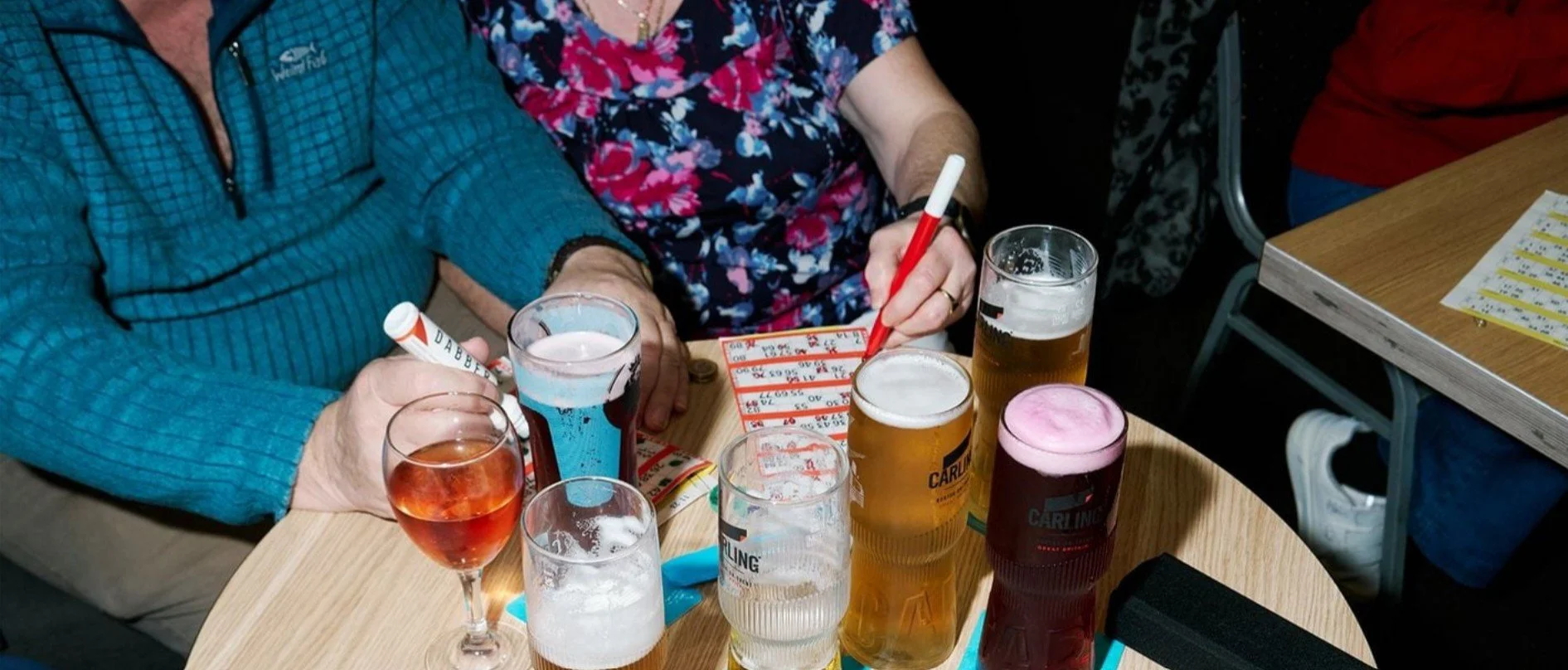
On a recent Sunday afternoon, I watched Alan Howard, the Talbot’s resident entertainer, preside over the weekly bingo session. About 50 people had squeezed into the pub’s main room, frowning at their cards as Howard rattled through the numbers: “Dancing Queen” (17), “Winnie the Pooh” (42) and “Time for Tea” (83). Rickety tables were piled high with vapes, plates, gravy boats and marker pens; Reform-branded beer mats filled the gaps between them.
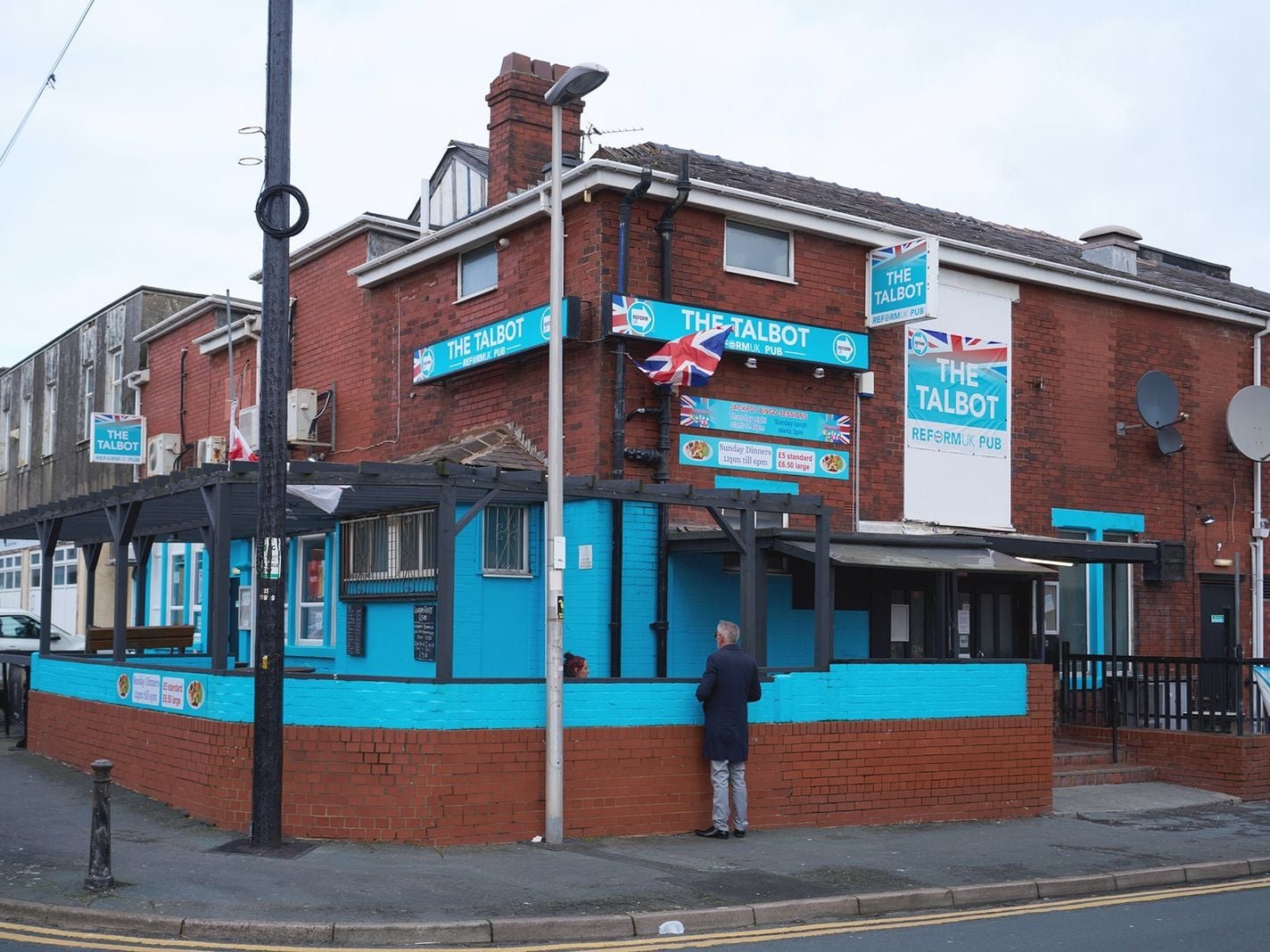
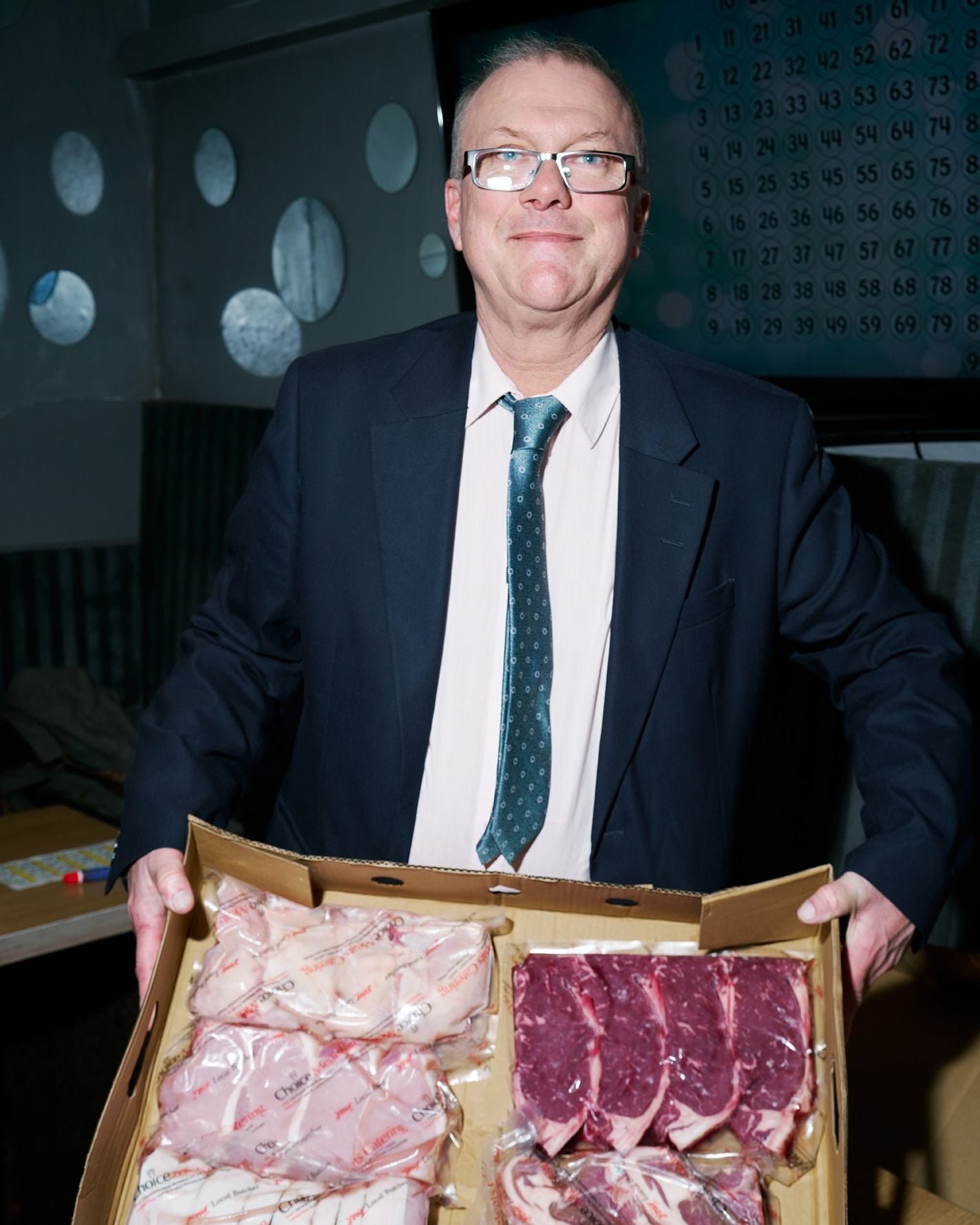
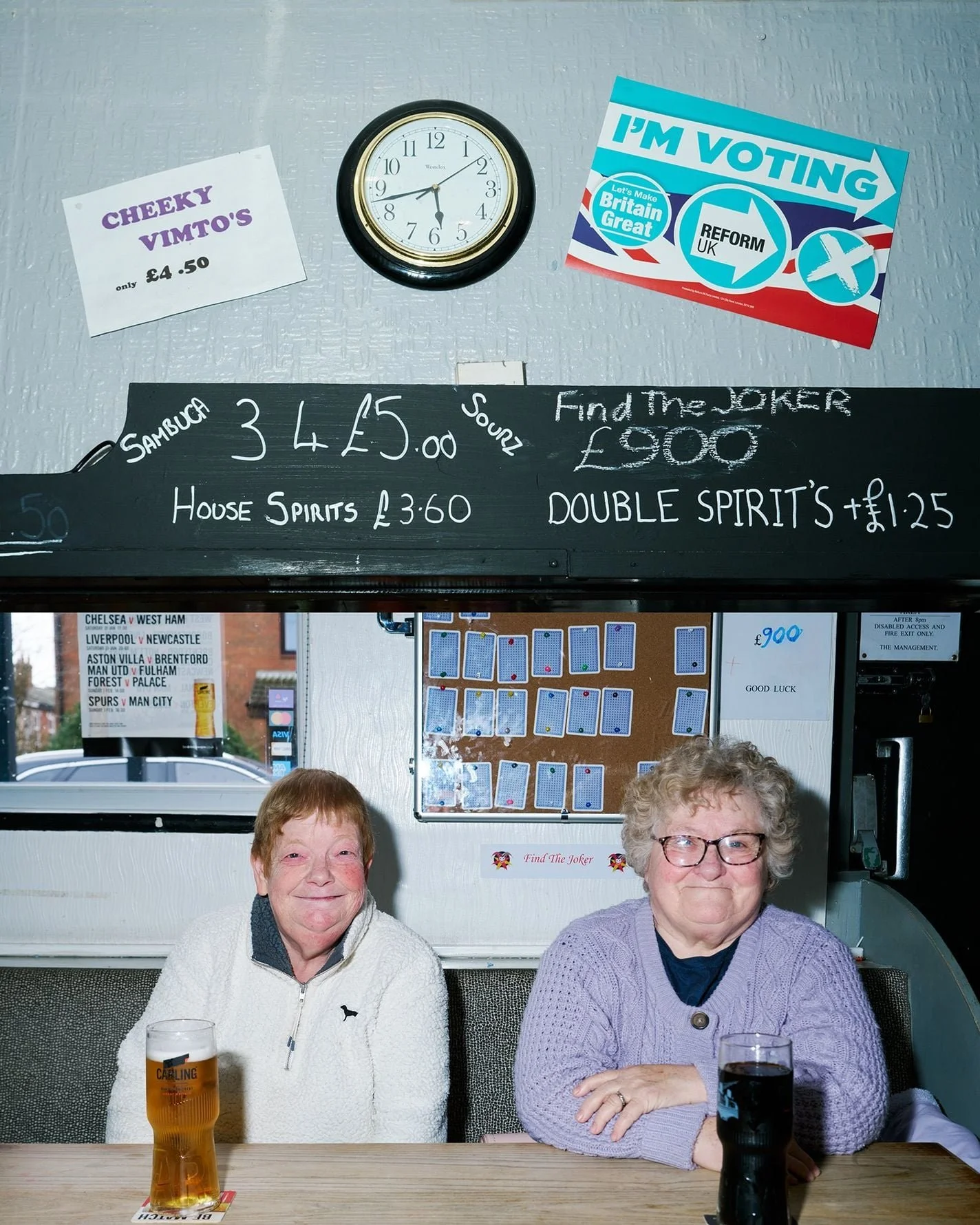

Great British booze-up (top to bottom) At the Talbot, Britain’s first Reform pub, regulars enjoy meat raffles and cheap pints. Mark Butcher (bottom), chairman of the local Reform branch, has been visiting the Blackpool boozer since he was a boy
Afterwards Howard (known to everyone at the Talbot as “DJ Alan”) invited me to his booth for a chat. Now in his early 60s, he grew up steeped in Blackpool clubland. “The comedy, the cabaret, the shows—just being there was a way of communicating with other people,” he told me. “A few beers, a few laughs, then it was all back to someone’s place for supper. We’re trying to keep that spirit going here.”
By now the pub’s weekly meat raffle was under way, and our conversation was punctuated by shout-outs to local sponsors and announcements of winning numbers. “It’s a fix!” yelled someone as one ticket was read out. A woman called Pauline came up to claim her prize.“Oh my god, I’ve won a meat raffle—I’ve never been in this position before,” she said. “I don’t want to know about your private life,” shot back Chris Carpenter, one of the Talbot’s new owners, who was in charge of handing out cellophane-wrapped hunks of flesh from a giant crate.
I went over to congratulate Pauline and she introduced me to her friends, a group of women who’d known each other for decades. “It’s a dying breed, this place,” one of them said. There used to be many more venues to go out and mingle around here: Blackpool has one of the highest rates of pub closures in the country. “We come here every Sunday—our husbands don’t dare interfere,” Pauline’s companion went on. “If we didn’t have the Talbot, I don’t know if we’d still be connected.”
Pauline’s group was not especially passionate about Reform, or Farage, or elections. But they spoke a lot about how hard life had become for ordinary working people, and their frustration with mainstream politicians’ apparent indifference to it. One woman was a nurse, and told me that some of her colleagues were having to drive Ubers to meet their mortgage payments; another talked about her daughter, a teacher who was saddled with tens of thousands of pounds of university debt. “There are politicians who stand up and do things, and then there are politicians who are just empty,” said Pauline. “Keir Starmer is empty. There’s nothing there.”
According to Luke Tryl, director of More in Common, a polling firm, Reform’s appeal is highest not among the very poorest parts of the electorate, as some assume, but among people like Pauline and her friends, the “just-about managing”. “One of the biggest markers of Reform support is high threat perception, which we see among voters who believe they have tried hard to do the right thing but are still only one bad incident away from falling into difficulty,” said Tryl.
There’s a joylessness that accompanies insecurity. “People remember their parents having a roof over their head, food on the table, and going out for a good time at the working men’s club,” said Chris Webb, the Labour MP for Blackpool South. “And so people ask themselves, ‘Why am I worse off than my parents? We work hard, we’ve done the right thing, we pay our taxes—and yet it’s not easy to go out on a Friday or Saturday and enjoy a beer, we can’t go out for a nice meal in town.’”
It’s right here, where the cold, hard practicalities of economic insecurity get tangled up with something fuzzier—nostalgia, resentment and a sense of loss—that Reform’s messaging hits home. In contrast with the pallid, technocratic diagnoses offered by Britain’s main political parties, Reform has articulated people’s grievances with a bluntness that resonates. The Talbot’s drinkers “just want the shit to stop”, Butcher told me. “The rising prices, the political lies, the general unfairness. They’ve lost trust in everything.”
***
These strands of discontent are disparate, but Reform has managed to bring them together around one core issue: immigration. Although net migration to Britain has fallen dramatically in the past two years, tens of thousands of individuals seeking asylum continue to arrive each year across the sea from France. Polls consistently show widespread public concern about the “small boats” issue, some of which is fanned by Farage.
“I’m not a racist, which is what all the papers have been saying, and I’ve never met a racist in this pub either,” said Murphy, the former barmaid. “But I think we need to stop the boats to save this country.”
Born just outside Dublin, Murphy is a migrant herself. She and her husband arrived in Britain 30 years ago, and found a home from home in the Talbot: her husband played snooker downstairs, while DJ Alan entertained kids in the function room dressed as a clown. Until recently she used to vote Labour; now she supports Reform.
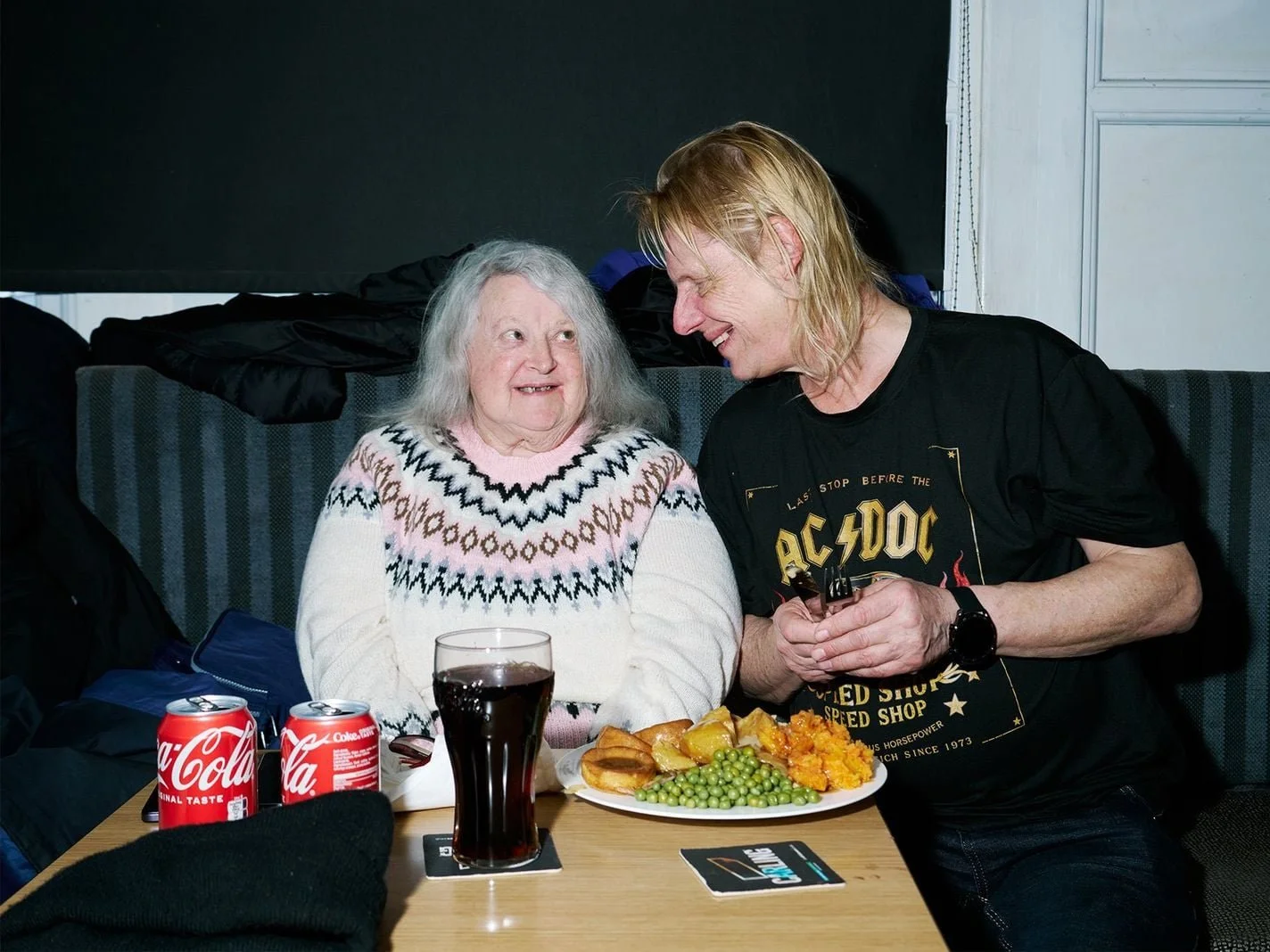

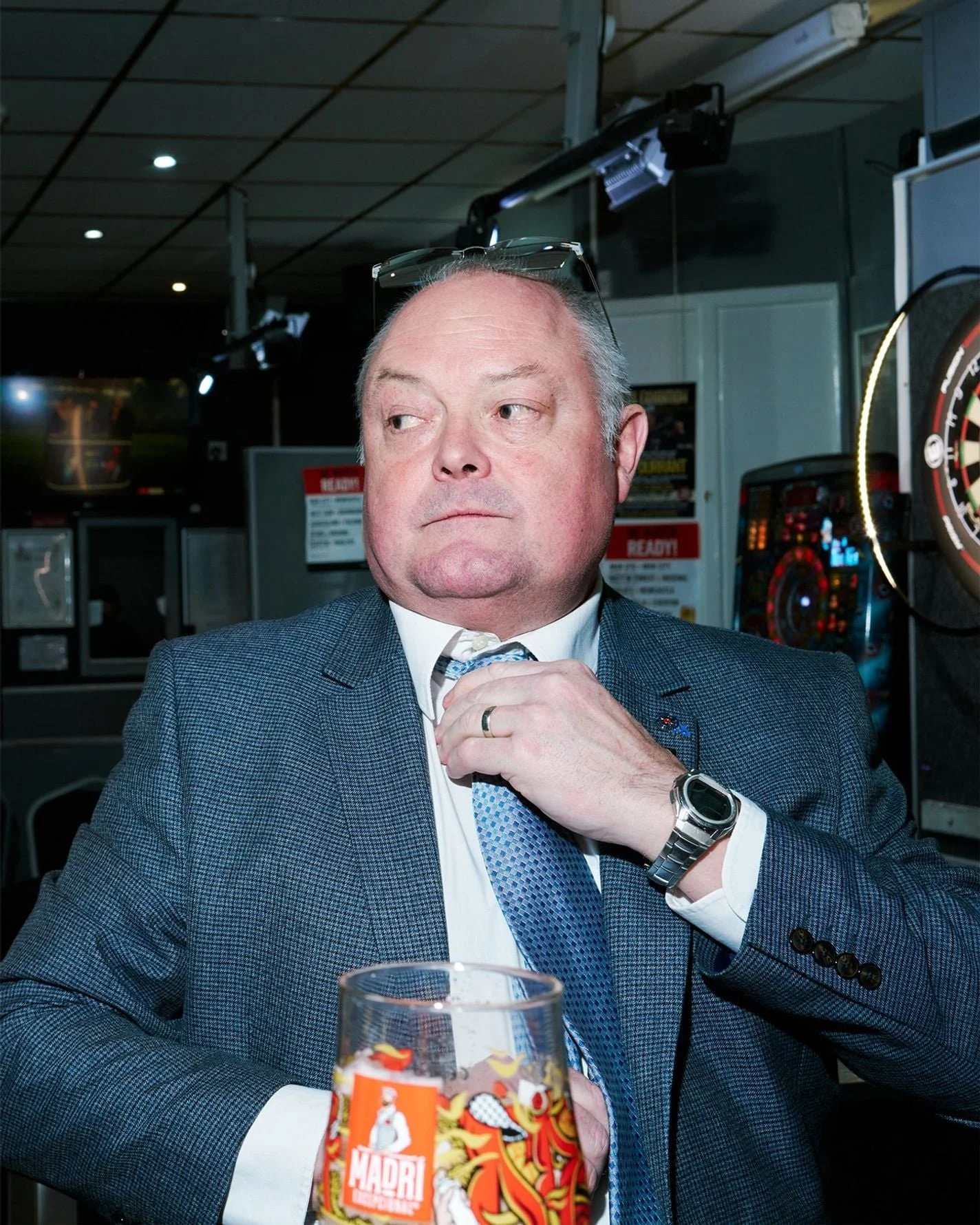
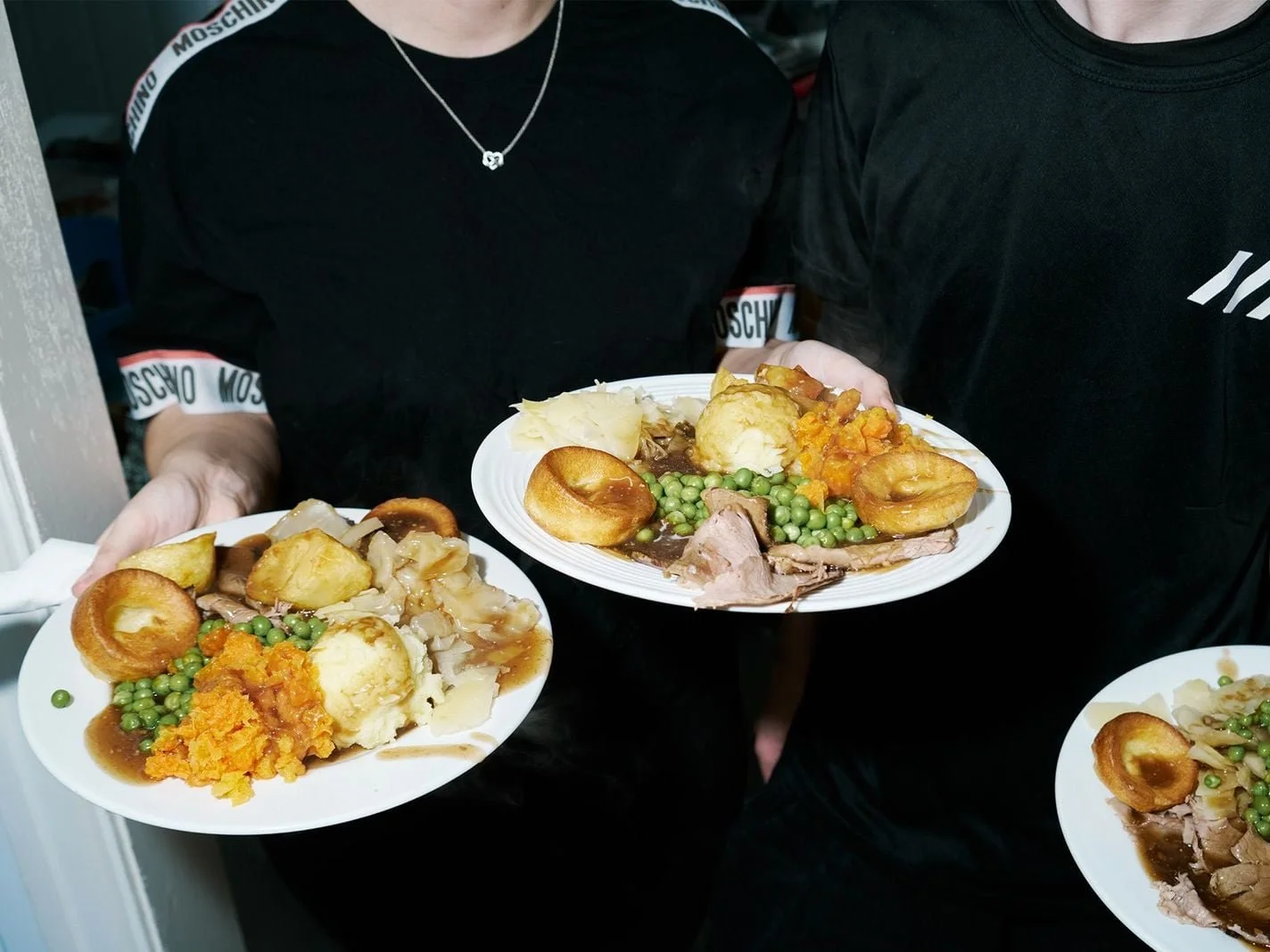
Gravy train Farage’s party has become popular in Blackpool, which ranks as the poorest urban area in Britain. In 2025 Peter Flynn (pictured adjusting his tie), then one of the Talbot’s owners, decided to make it an official Reform pub
When I asked her why the country needed saving from small boats, she flitted between tangible concerns and amorphous feelings. “People who have lived here all their lives aren’t getting the benefits,” she replied, explaining that her daughter is in grim emergency accommodation waiting to be allotted public housing. “I have to wait weeks for a doctor’s appointment. There’s no houses. National politicians just forgot about us.”
Murphy, who suffers from arthritis and a chronic lung condition, is right that people in Blackpool are waiting too long for health care (the town’s National Health Service trust, which has been beset by scandals, is one of the worst-performing in the country). And she’s right to point out that successive governments in Westminster, whether Labour or Conservative, have presided over decades of deterioration in this town, and many others like it.
But Blackpool is currently home to around 600 asylum-seekers: just 0.4% of the town’s population. It’s fair to say that these numbers are not having a substantial impact on local NHS services. Nor is it a town whose character has been reshaped by waves of immigration; the proportion of foreign-born residents here is 7.9%, less than half the British average. Migrants and refugees are not the cause of Murphy’s grievances, but they have become a lightning rod for them.
Murphy is upset that people with whom she feels no connection have, in her words, “broken the rules” and “jumped the queue” in a battle for scant public resources. She’s upset, too, that the same officials who have presided over the whittling of public resources seem to care more about things like political correctness, diversity schemes and “acceptable” language. And she’s upset with people like me who suggest Reform’s rhetoric is creating hostility to migrants. She feels that elites use the charge of racism to silence legitimate complaints.
Others share her anger. In summer 2024 rioters laid siege to the Metropole, a hotel on the seafront that dates back to the 18th century. The Metropole is a Blackpool icon; many remember when it was a Butlin’s holiday camp, and echoed to the sound of ballroom dancing. Butlin’s closed in 1998 and the Metropole became a cut-price hotel, before eventually agreeing to house asylum-seekers on behalf of the government in 2021. “People always ask me why we have homeless on the streets, while people who haven’t paid anything into the system can rock up and be placed in luxury hotels,” Butcher said.
There is nothing luxurious about the Metropole today: a whistleblower from the private company contracted by the Home Office to run the site recently revealed that the hotel is blighted by mould and raw-sewage leaks, and warned that residents are living in “rot and neglect”. (Serco, the company in question, has denied responsibility for any issues on the site, while the Home Office insists that all asylum accommodation must meet its contractual standards.)
But Farage understands the emotional valence of “asylum hotels”. Shortly after the Talbot’s relaunch, he made a speech in which he vowed to stop “young undocumented males” coming across the Channel and being put up in “five-star” accommodation. He declared that Reform would reverse many of the government’s welfare cuts, and challenged Starmer to a debate in a working men’s club, where he could enjoy “a few beers with the lads”. “This prime minister has no connection with working people,” Farage thundered. “No connection with what we used to call working-class communities.”
***
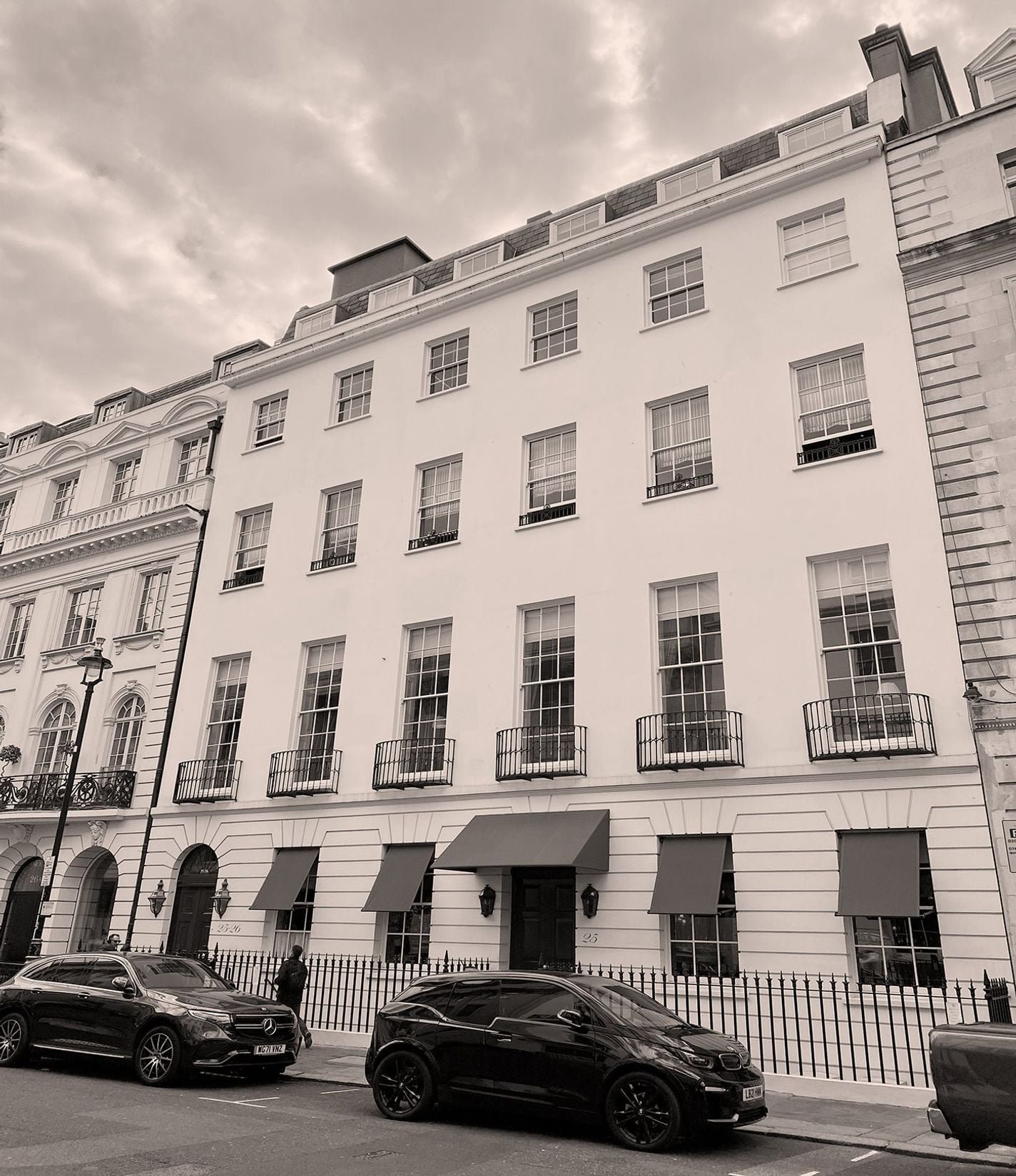
Albemarle Street runs north from London’s Piccadilly, starting a few steps away from the Ritz. At the end of the road is a blue door sheltered by a simple red awning. Behind it lies Oswald’s, the private members’ club where Reform’s fundraiser was held last January.
Beyond a handful of select correspondents, journalists have not been allowed through the door. Taking photos inside the club is strictly forbidden. (Hervey, the socialite, posted a picture on Instagram during the Reform fundraiser in January, and was swiftly ordered to delete it by the party treasurer, billionaire property developer Nick Candy.)
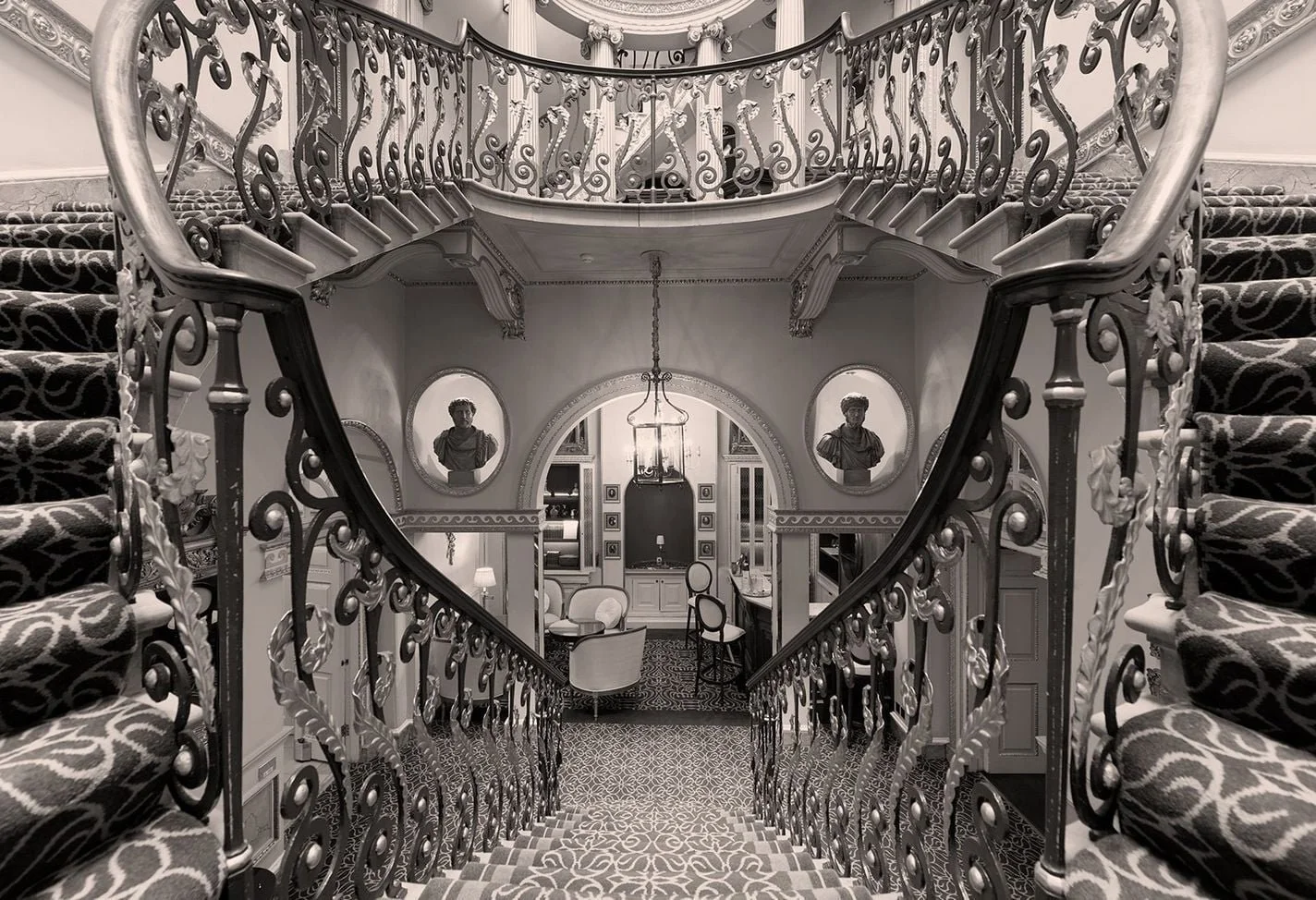
Titbits still leak out. We know that the ground floor, for example, is modelled after the Hall of Mirrors at Versailles. The upstairs lounge hosted King Charles’s coronation after-party, attended by the royal families of Norway, Greece, Japan and Monaco.
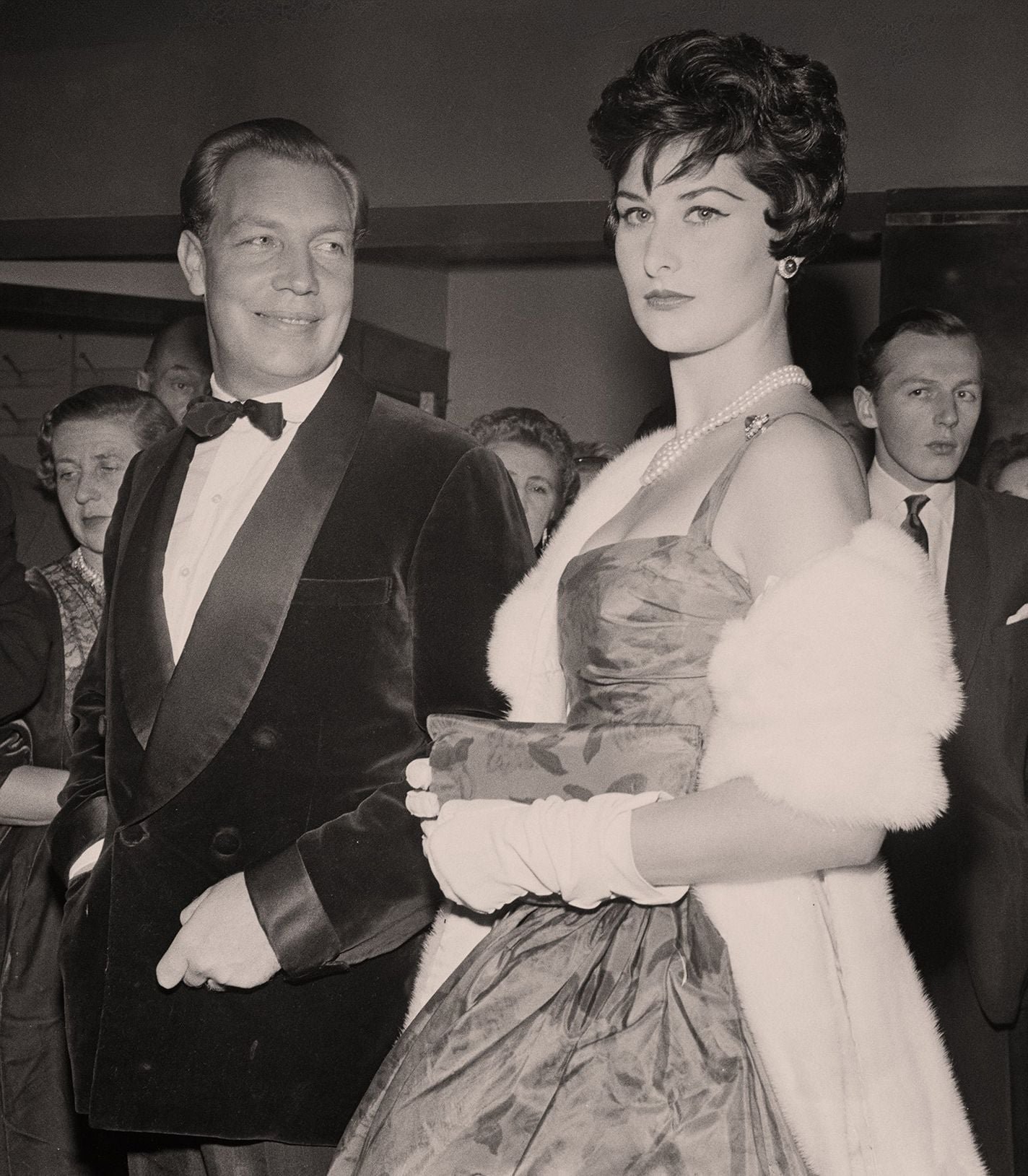
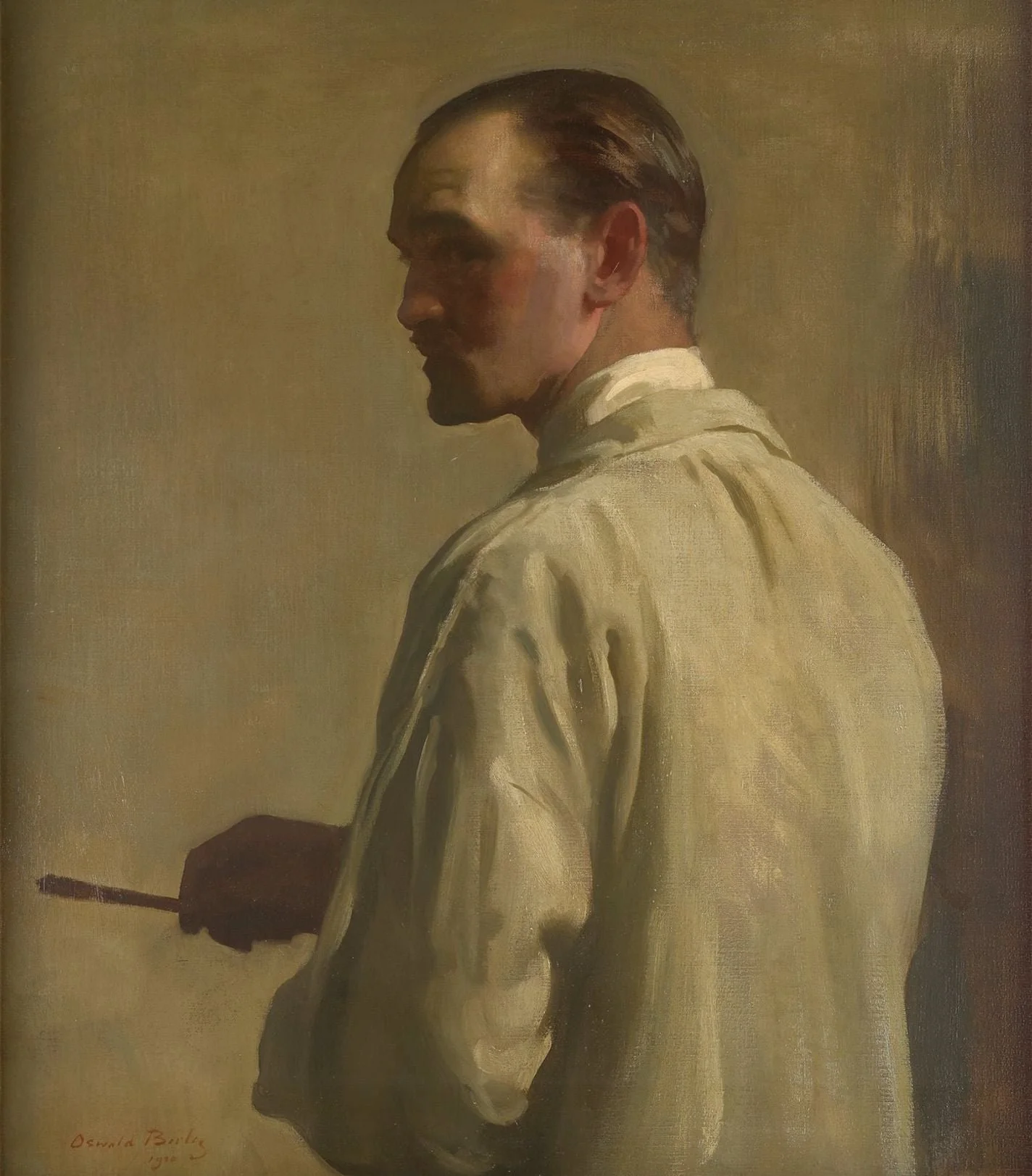
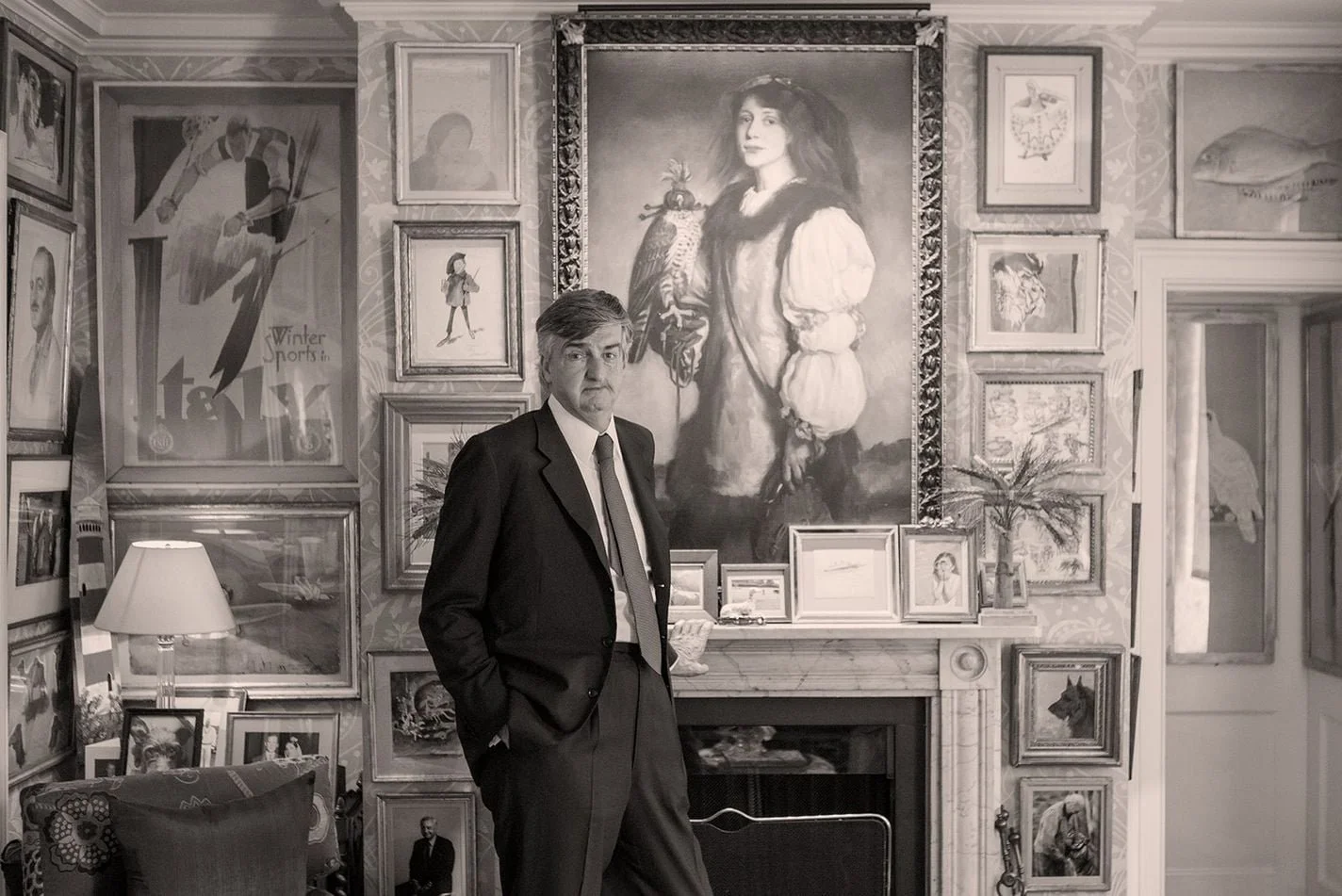
Casino royale John Aspinall with his first wife, Jane Gordon Hastings (left). Aspinall founded the Clermont, a gambling club frequented by aristocrats and wealthy businessmen, including Mark Birley (right). A self-portrait of family patriarch Sir Oswald Birley hangs above the reception desk at Oswald’s (middle)
For all its regal associations Oswald’s is seen as a brash interloper within London clubland. Unlike the older establishments of Pall Mall, which are technically owned by their members, Oswald’s is an entirely private enterprise. Traditionalists view these kinds of venues as a bit vulgar, though they are willing to patronise them. “Oswald’s is about people with serious money,” said Seth Alexander Thevoz, a historian specialising in the capital’s private members’ clubs. “So hedge funds and financiers, but with a veneer of ‘old money’—in other words, royalty and aristocrats—on top.”
Oswald’s opened in 2018, but its lineage can be traced back to the early 1960s when John Aspinall, a zoo owner and casino magnate, founded the Clermont Club. The Clermont was a gambling circle which attracted flamboyant members of the establishment. This included aristocrats such as Lord Lucan (who later went missing after allegedly murdering his children’s nanny), writers like Ian Fleming, and ambitious businessmen eager to throw off the shackles of Britain’s staid post-war economic consensus. Clermont regulars such as James Goldsmith, a financier, and Tiny Rowland, a corporate raider, sought to take over companies, discard much of their workforce, and turn a huge profit by selling off their assets.
When darkness fell the Clermont gamblers would stagger downstairs to the basement, where Aspinall’s friend Mark Birley had installed a restaurant and nightclub named Annabel’s. As well as a common faith in buccaneering, unfettered capitalism, Birley’s and Aspinall’s customers also shared a fierce opposition to the European Economic Community, the EU’s forebear. They saw it as joyless, bureaucratic and overbearing: the antithesis of their own self-image.
Oswald’s was founded by Birley’s son, Robin, who inherited both his father’s politics and his instincts for servicing the rich. The club is decorated in a classic country-house style which sometimes veers into costume-drama territory. A painting of Birley’s grandfather Sir Oswald hangs grandly above the reception desk.
If you venture upstairs, past framed photographs of the Clermont set, you’re likely to find an eclectic smattering of today’s elite in the dining room. Boris and Carrie Johnson eat here, and so do the Blairs. Princess Eugenie celebrated her wedding anniversary at Oswald’s, and Sir Ben Elliott—nephew of Queen Camilla and a former Conservative Party chairman—is a regular. As are the Beckhams.
Birley’s club is a hub for Reform’s big-money donor base, and five factions within it vie for influence. One group is made up of traditional Tory donors who have switched sides in frustration at the party’s lacklustre performance. It includes old-school economic libertarians such as Terence Mourdant (chairman of the Global Warming Policy Foundation, a climate-sceptic think-tank) and Thatcherite entrepreneurs like Charlie Mullins, the founder of Pimlico Plumbers. “I want to see bang for my buck,” said Mullins, who is now based in Marbella, Spain. “I supported the Tories before but there’s no fight left in them; I wasn’t getting any value for money.”
Then there are the donors whose specific business interests and personal fortunes could benefit from a Reform government, such as Jeremy Hosking, a fossil-fuels investor, and Roger Nagioff, a financier. Right-wing ideologues and media moguls make up the third faction, the most prominent being Paul Marshall, who bankrolls GB News, a right-wing TV channel. Many in this group are driven by their faith—Marshall is heavily involved with Holy Trinity Brompton, an evangelical Anglican church.
A fourth faction consists of anti-woke celebrities like Ant Middleton, a soldier-turned-TV personality, and Derek Chisora, a boxer, both of whom attended the Reform do at Oswald’s. Then there is the last group: the aristocrats. These include Fiona Cottrell (a former girlfriend of King Charles) and Hervey, daughter of the 6th Marquess of Bristol, and an ex-partner of the man formerly known as Prince Andrew.
Celebrity Reform supporters like Hervey, who seems to relish the spotlight, are also drawn to the party’s political theatre. Being in Trump’s circle is appealing for the same reasons. “Mar-a-Lago definitely feels like the epicentre of what’s going on,” Hervey told Vanity Fair in an interview this year. “You feel like you’re in some sort of alternate universe.”
The good-time feel of clinking glasses is never far away from Reform’s operations, even in the party’s back office. Gawain Towler, Reform’s former press chief, described the scene a few years ago when Christopher Harborne, a Thailand-based crypto magnate, set up shop inside Reform’s headquarters during a fundraising drive. “He turned up with three big computer screens, and sat down and ran his fucking blockchain empire from the corner while we hit the phones,” Towler recalled. “At some point a nice coffee machine turned up, and then soon after someone delivered a fridge. I was sent out to buy some bottles of gin and several glasses to put inside it. Apparently you can’t have a proper office without nice coffee and a gin fridge.”
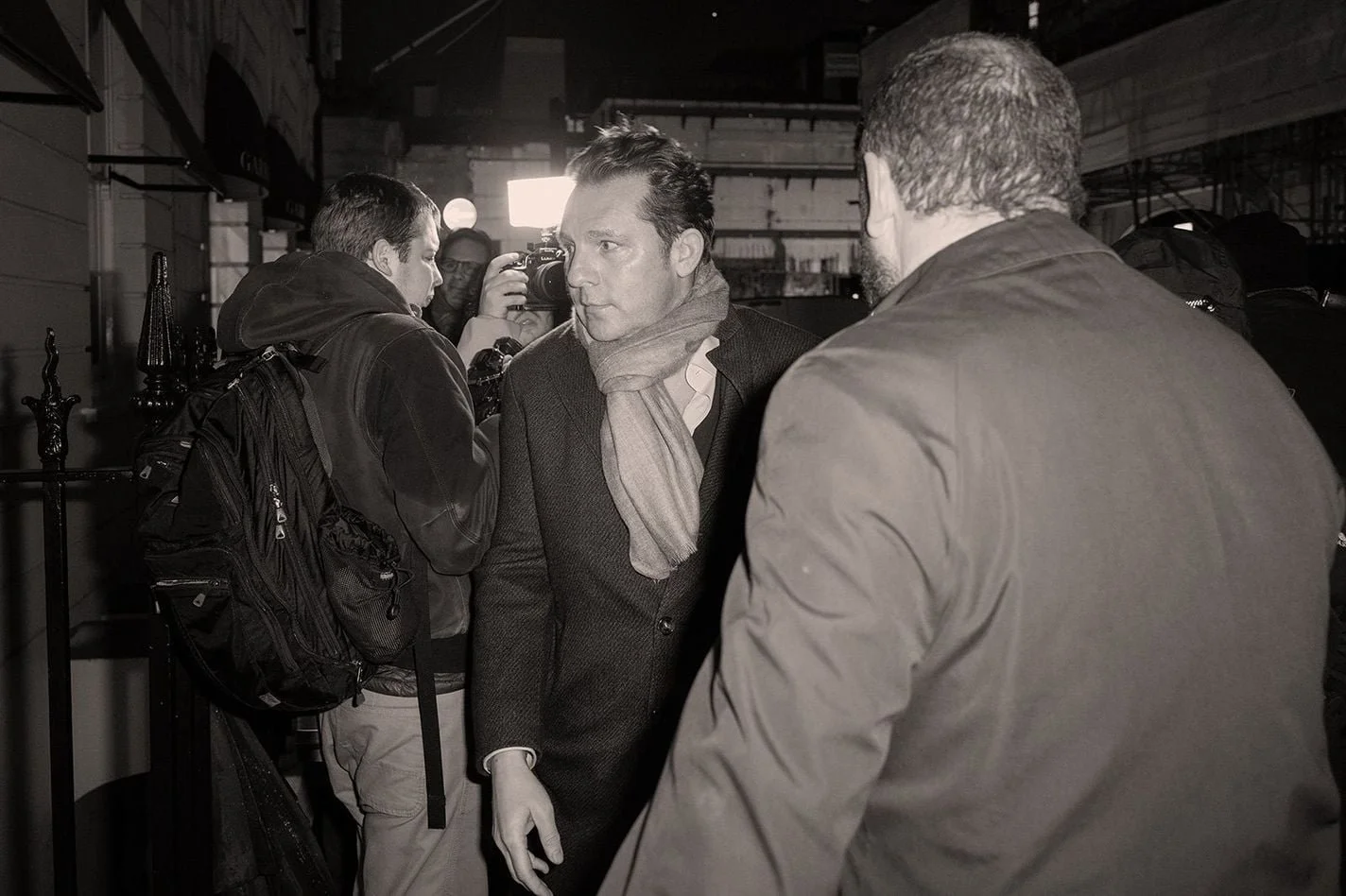

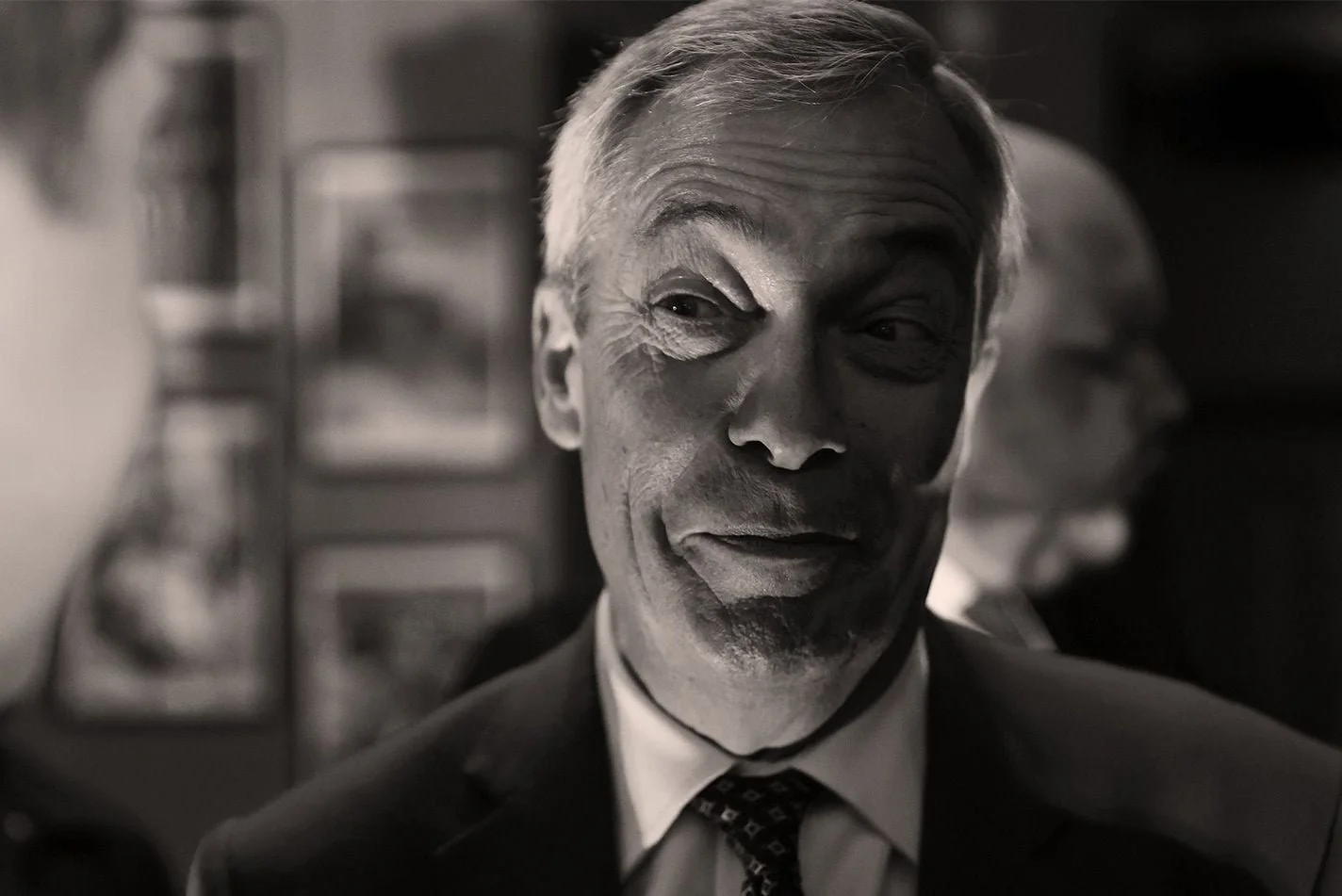

Good neighbours (from top to bottom) Billionaire property developer Nick Candy, tech magnate Bassam Haidar, and Holly Valance, a former soap-opera star, arrive at Oswald’s for the Reform fundraiser
Bassim Haidar, a telecoms and fintech magnate, sounded quite emotional when he talked about the camaraderie of fundraising for the party, especially the dinner at Oswald’s. “I have never attended anything as exciting and as energetic as that event,” he told me.
He had just bought a £42m flat in One Hyde Park, an apartment block near Harrods developed by Reform’s treasurer, Nick Candy. I wanted to know why Reform, a party of back-to-basics traditionalism, had got him so enthused. “Someone has to speak out about these things, and finally someone is,” he replied. I picked up on a tone that I often heard in Blackpool: a blend of daring, defiance and triumphalism, basking in the notion that something once unsayable was now being said out loud, and that there was nothing that I nor anyone else could do to silence it.
In the Talbot, the taboo being broken was usually to do with immigration. But when Haidar talked about saying the unsayable, he meant tax avoidance. Labour had recently abolished a loophole whereby some people could live in Britain without being domiciled there for tax purposes. Haidar, a Nigerian-Lebanese billionaire with Irish citizenship, was vehemently opposed to the policy change on “non-doms”. “I’m not against paying more tax,” he insisted. “But where I have a concern is that the businesses I've built up across the world are now going to be taxed at a high, punitive rate. Investors are leaving Britain as a result.”
***
Travelling between the worlds of Reform's donor base and its working-class voter base can sometimes create a sensation of whiplash: one group is openly committed to dismantling the post-1945 welfare state, while the other is furious at its hollowing out. Yet rather than being stymied by this contradiction, Farage has deftly exploited it by embracing a vague but potent critique of the contemporary state that resonates with both constituencies.
“Politicians seem to forget how their ideology affects our day to day lives,” wrote Farage in the Sun newspaper last year. His article was ostensibly written in response to legislation passed by the government aimed at phasing out smoking in Britain, and raising taxes on gambling companies. “People just want to enjoy themselves without being lectured by public health zealots…what could be more invasive than cracking down on our ability to have fun?”
“The good-time feel of clinking glasses is never far away from Reform’s operations, even in the party’s back office”
In a few lines Farage managed to excoriate regulators (something which plays well on Albemarle Street), express contempt for the liberal technocracy that has squeezed pleasure from the lives of those drinking in the Talbot, and conjure up a vision of the kind of collective jollity that used to be allowed before it was outlawed by puritans in Westminster.
But there is a limit to how much unity he can achieve simply by railing against dourness. Inevitably, specific policy questions come up. Take spending. Reform’s big donors are all about small government. Many of them have an arm’s-length relationship with Britain’s tax authorities. Between 2019 and 2024, almost three-quarters of the £22m Reform received in donations came from just nine individuals or companies, all of whom are based offshore. Reform’s donors also share an aversion to public spending on welfare and other socialised assets; Mullins, for example, has railed against “dole scroungers”.
The party’s voters, by contrast, think there should be more—not less—government intervention in the economy. Two-thirds of Reform supporters back the nationalisation of key industries, according to a poll last year, while 68% think that big companies should pay more tax, slightly more than the country as a whole.
Farage has had to execute a number of awkward U-turns in recent months. He has told the Institute of Economic Affairs, a free-market think-tank, that his government will be committed to deregulation, but in other speeches called for the nationalisation of Britain’s only remaining steelworks. Last year, when the government was refusing to hand out state benefits for more than two offspring per family, Reform vowed to subsidise unlimited numbers of children. Now the government has changed its mind, Farage has said that his party would reinstate the two-child cap.
Reform is not the only populist movement trying to manage the tension between its free-marketeer and big-government constituencies. Farage may be learning from Trump, who has managed to forge a successful coalition between America’s extreme libertarians and protectionist industrialists.
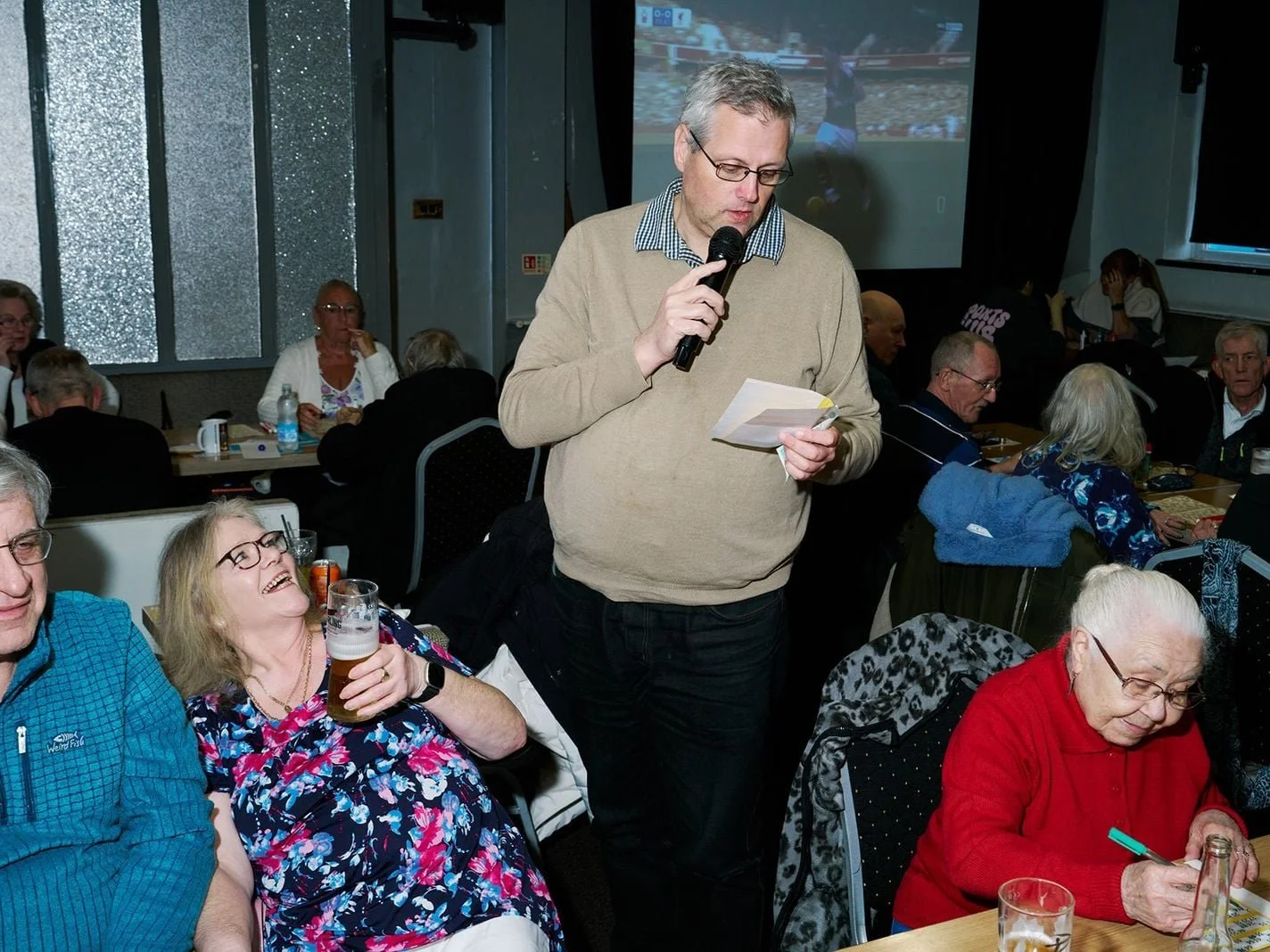
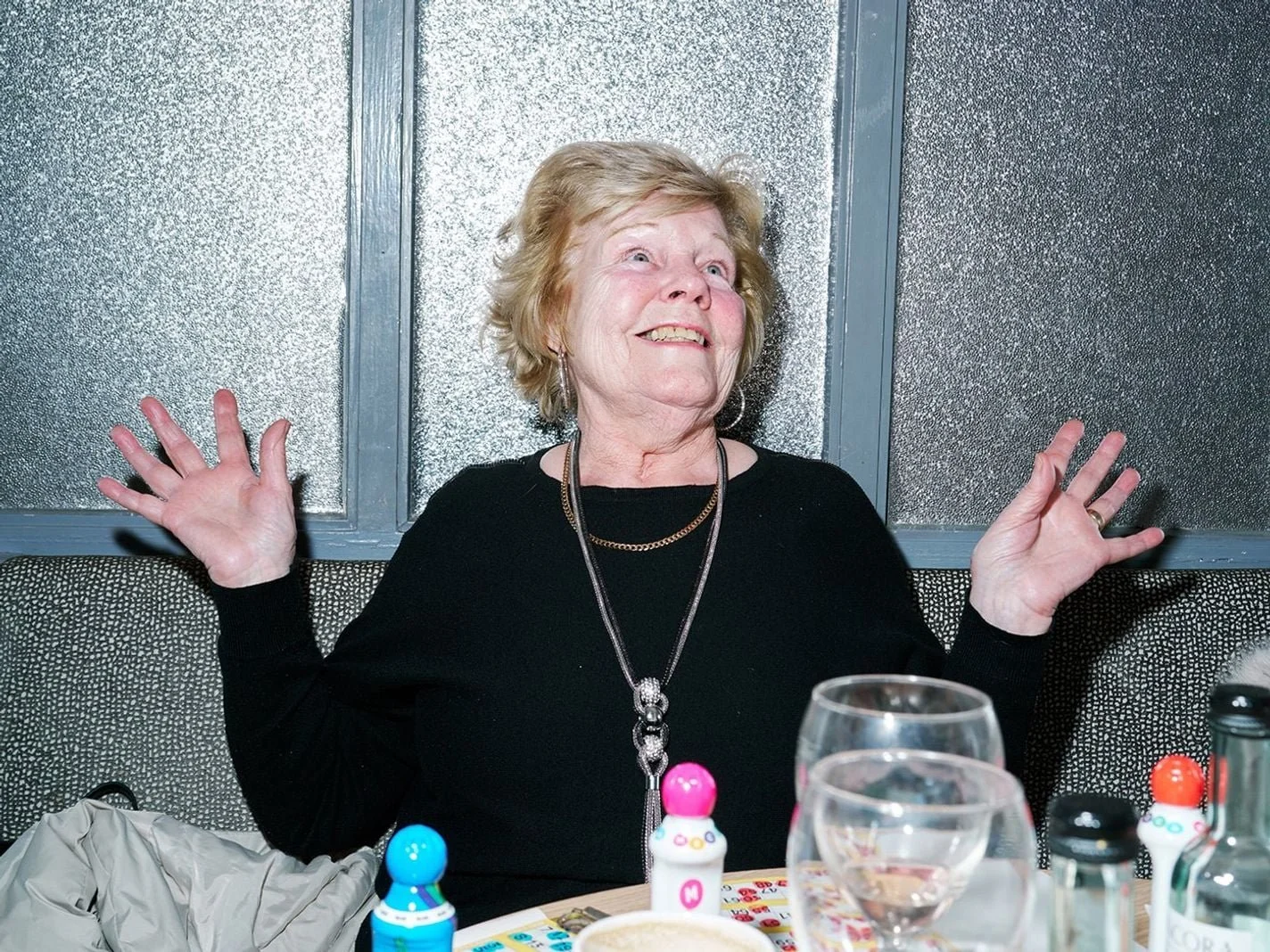

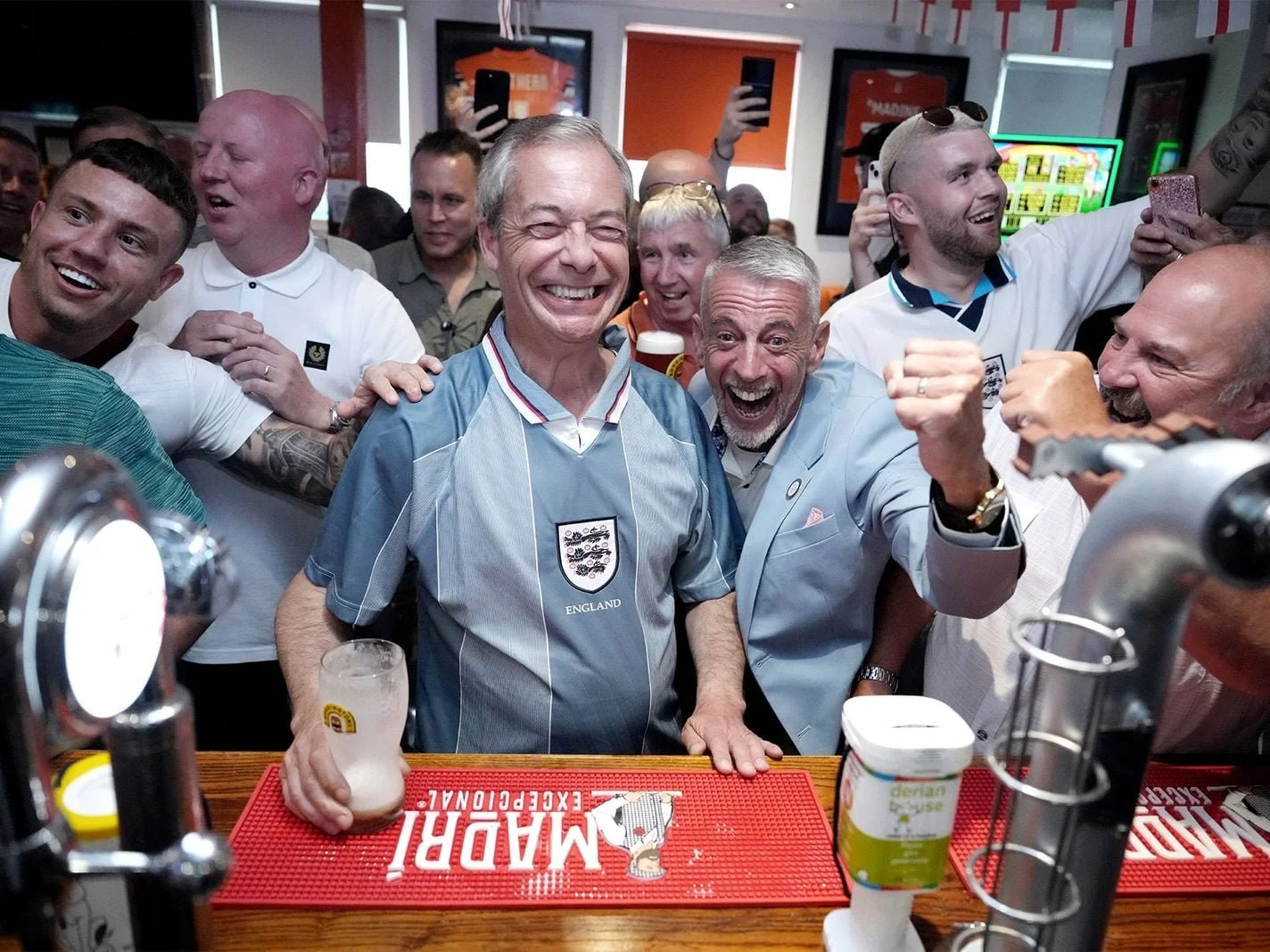
The Party party (top to bottom) Pubs like the Talbot offer affordable fun for locals who are “just-about managing”, a demographic in which Reform’s appeal is high. Farage and Butcher watch the football at the Armfield Club in Blackpool
One MAGA tactic is fostering culture war: identifying enemies lurking deep within the liberal state. Farage has long decried “the political elite”, but in recent months he has gone on the offensive against teaching unions and “trans ideology” too. American influence may also explain Reform’s growing obsession with getting women to have more babies (Farage justified Reform’s initial support for removing the two-child benefit cap as a pro-natalist move intended to increase the size of “British families”).
Interestingly, it was at a MAGA event in Washington—rather than anywhere in Britain—that representatives of Oswald’s and the Talbot came together in the same room. When Farage flew over to celebrate Trump’s second inauguration in January 2025, a trip funded by Harborne, he took Butcher with him. Butcher has the kind of hardscrabble back story that Americans lap up, and which Farage himself conspicuously lacks. When I discussed the trip with Butcher, he was starry-eyed. “Trump is the only national leader standing up for Great Britain,” he told me earnestly.
There are limits to the appeal of MAGA-style ideology in Britain though, and Butcher has been more guarded about his support of Trump in public. In an interview with the Blackpool Gazette about his Washington visit, Butcher was careful to frame his conversations with Trump family members as part of his wider advocacy on homelessness, rather than as a hearty endorsement of all things MAGA. Apart from Butcher, not a single Reform supporter that I spoke to in Blackpool had anything good to say about the American president. “It’s a shame that the shooter only clipped his ear,” said one drinker in the Talbot.
***
One day Butcher took me to Grange Park, the sprawling council estate where he grew up. “We didn’t have much,” he said, pointing out the small house on Dinmore Avenue where he used to live with his three siblings. The children were accustomed to borrowing money from neighbours for the electricity meter, he told me, and hiding behind the sofa when debt-collectors came calling.
Despite those hardships, Butcher was grateful for some aspects of his childhood, especially the example set by his mother, who had a cheerful and relentless work ethic. She toiled as a waitress and a cleaner while winning the “best garden” award on the estate year after year. “I suppose it moulded me a lot, and shaped who I am today,” he reflected. “That’s how Grange Park was in them days, a community of people that was all in the same boat and all trying their best to get by. It’s still like that: the last bastion of the old-school spirit.”
“When I asked people how they felt about supporting a party that was so conspicuously associated with plutocrats, I was met with shrugs”
Butcher told me he couldn’t get out of the estate fast enough. His first job was carrying travellers’ bags for them at Blackpool station, then he sold sunglasses and headbands on the seafront, and then he worked shifts at a local KFC. By his mid-20s, he’d earned enough to move out and start a family.
Grange Park is now, by Butcher’s own admission, safer, brighter and better-resourced than it was during his youth. Yet a note of wistfulness was present whenever it was mentioned. I could never quite work out whether Butcher thought the young people who lived there today were mollycoddled whingers with no idea of how lucky they were, or pitiable victims of a grand national decline.
At Butcher’s suggestion, we knocked on several random doors on the Grange Park estate; every single person who answered said that at the next election they intended to vote for Reform. When I asked people how they felt about supporting a party that was so conspicuously associated with plutocrats, I was met with shrugs, as if my question were a category error.
“If he [Farage] is willing to help the working class then so what?” said Murphy, back at the Talbot. “Because the Conservatives haven’t done that, and Keir Starmer is definitely not going to do it either.”
We will soon find out how deep Reform’s support runs, with elections taking place for council seats in 134 of England’s 317 local authorities. Blackpool won’t be holding an election until next year; Butcher is currently working with potential Reform candidates.
For now, the party’s appeal seems to be spreading at both ends of the spectrum. The Talbot’s owners have received several phone calls from other pubs wanting to become official Reform venues. Candy meanwhile has vowed to take Reform’s fundraising drive to Monaco and the United Arab Emirates.
New initiatives are under way in Blackpool too. Butcher is trying to start a Reform football team. The party is “right down on the ground where the people are”, he said with satisfaction, as we finished our final pint together in the Talbot. “This is where politics really happens. This is where we get serious.”